Practice
50 articles
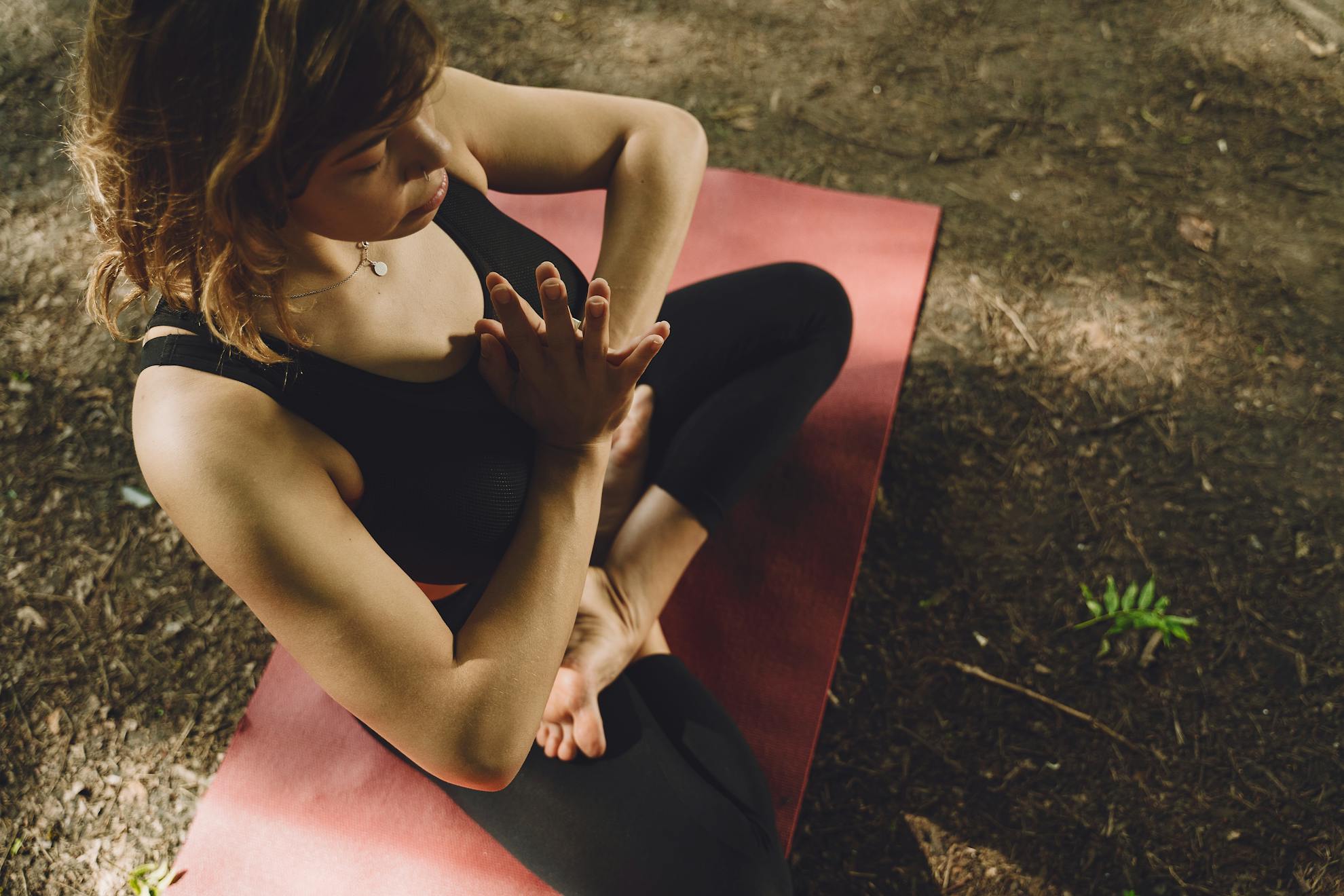
Why Having a Practice Matters More Than Having the Right Practice
I want to dismantle something the wellness industry has worked hard to construct: the belief that the practice you are doing is probably not quite the right one. Not evidence-based enough. Not the current best approach. Meditation is good, but have you tried breathwork? Breathwork is useful, but only at the right time of day. Yoga is lovely, but have you considered cold exposure?
More in Practice
The grace you give is the grace you get: what missing a yoga class taught me about being human
Something happened to me recently that made me realise the gap between how I see the world now and how I used to see it. Not a dramatic shift. Just tiny daily movements, the kind that are available to all of us if we're paying attention.
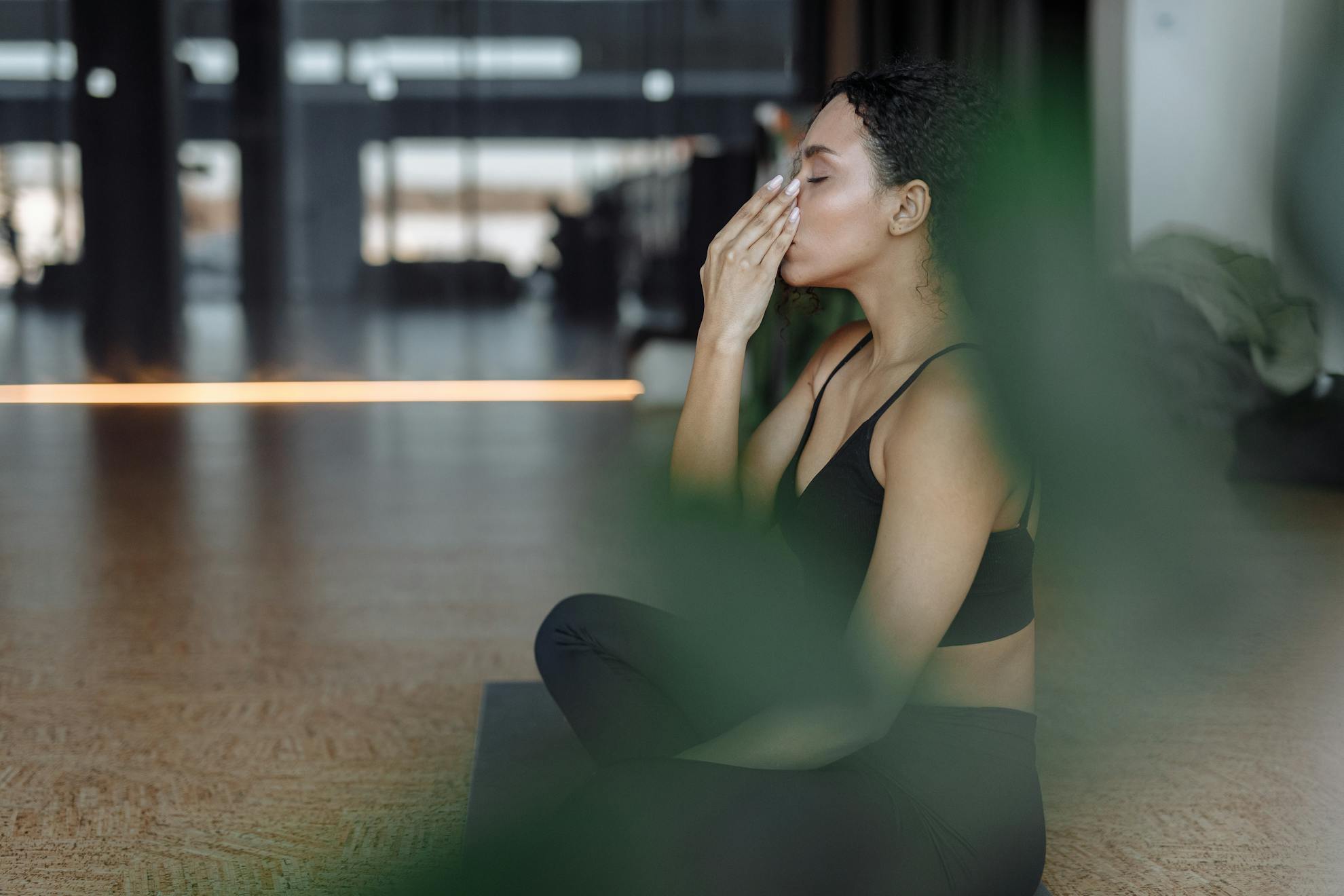
What 80 hours of pranayama training actually changes in your body
I've been fascinated with breath since I read James Nestor's book, but I was hungry for more depth than the weekend breath courses I'd seen on offer. I wanted something that could overlay my yoga teaching and meditation with ease, a training I could live inside rather than visit.
Box Breathing or Samavritti: How to Practice It and Evolve Your Technique Over Time
Discover the ancient art of box breathing, a deceptively simple practice rooted in yogic tradition that can calm your nervous system, sharpen your focus, and transform the way you move through stress. Whether you are a complete beginner or a seasoned practitioner, this guide will show you exactly how to begin and how to grow with it over time.
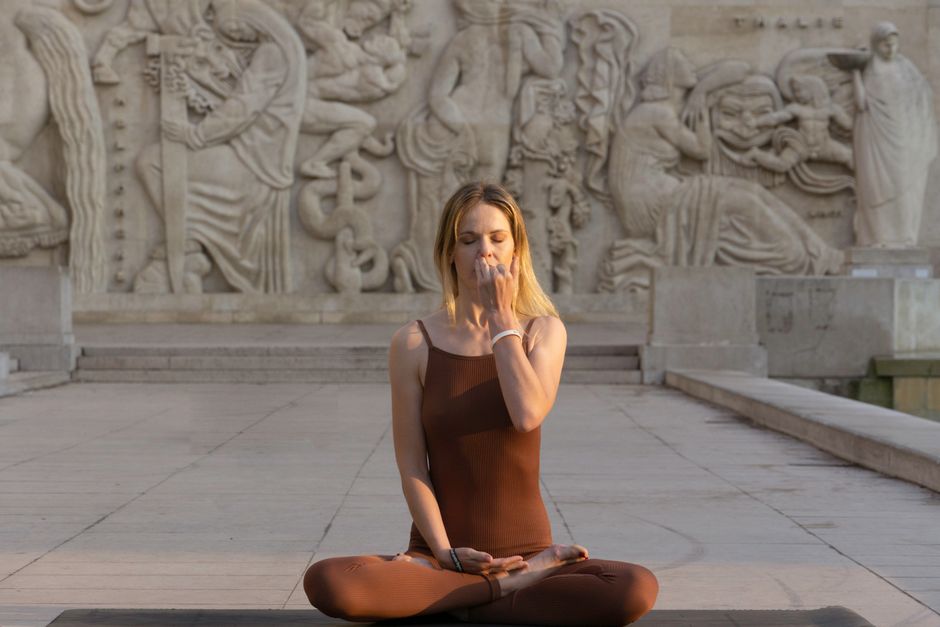
Anxiety in the Body: How to Feel It Without Being Overwhelmed
Understanding where anxiety lives in your body, and learning to work with it there, is a different and often more effective approach than trying to address it at the level of thought. Because by the time anxiety shows up as thought, it's already been present in the body for a while. The thought is often the last thing to arrive.
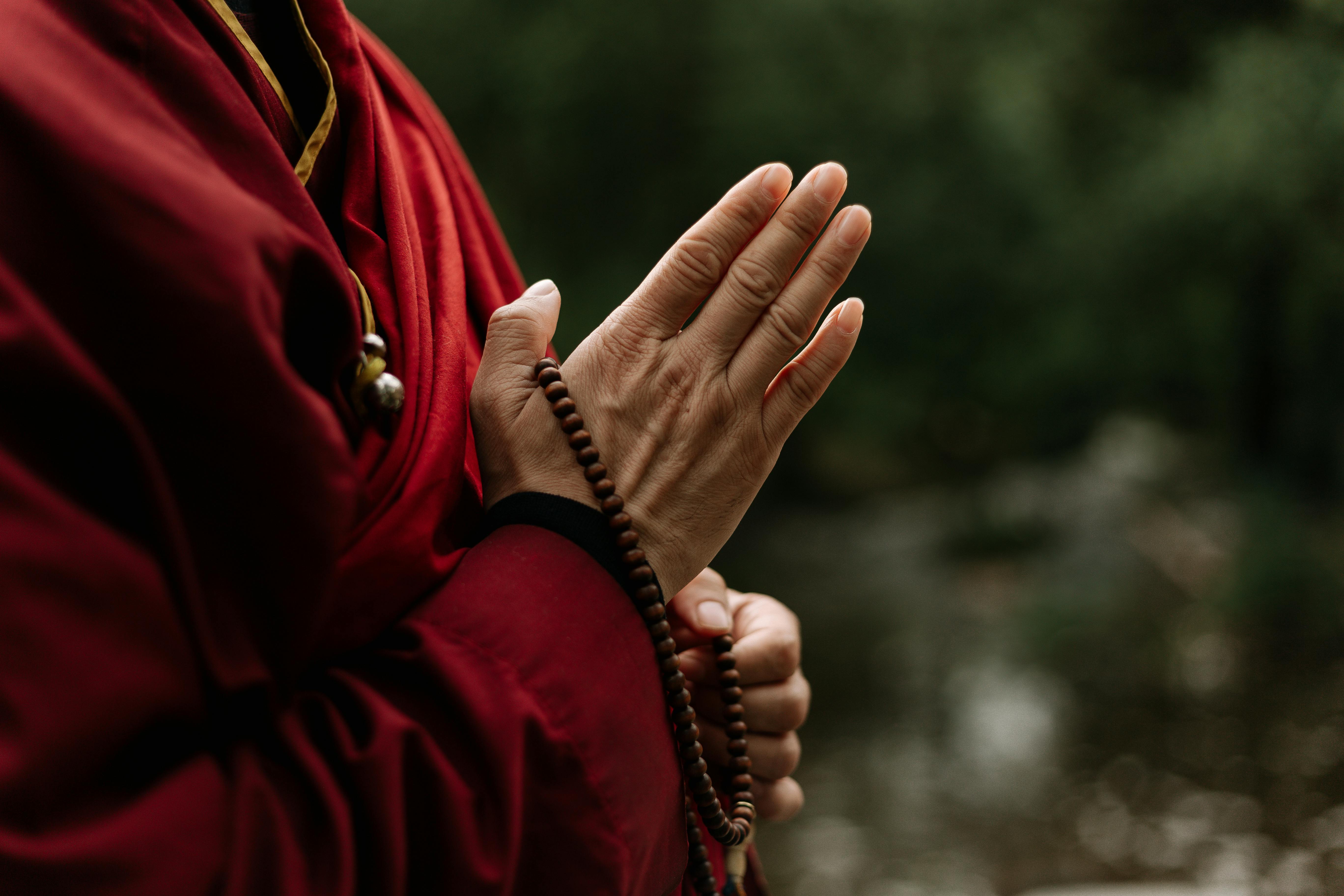
What chanting mantra actually does, and why I fell in love with it
Five weeks of sitting in a room learning the correct pronunciation and tonality of mantra. The beautiful practice of chanting in a group is something I unexpectedly fell in love with.
Living Untethered: a Michael Singer book review on letting go of control
Michael Singer finds me again. His books seem to appear exactly when I need them, and this one was no different. Both of his previous books held me through times I needed holding, and this one is doing the same.
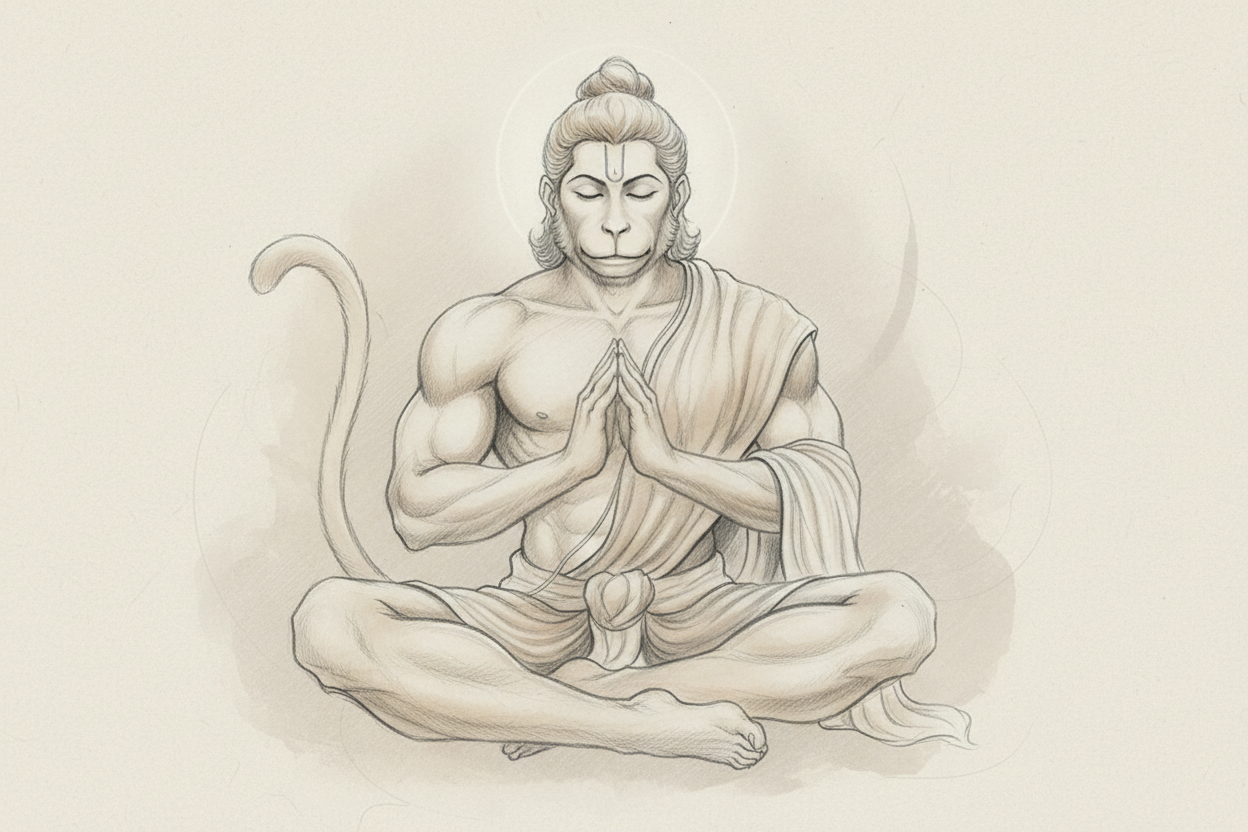
Hindu Deities in Yoga: The Ancient Stories Living Inside Every Pose and Practice
Every yoga class I loved as a student, truly loved, the kind where you roll up your mat a little changed, had one thing in common. A story. Not the anatomical kind ('now we're going to create external rotation in the hip socket'). The ancient kind. The kind where a teacher would begin with: there is a story about...And something in the room would settle. Everyone would shift slightly on their mats. A collective leaning in.

Fascial manoeuvres: what they are and why your body holds tension
Yesterday I attended my second fascia experience. The first was a few weeks ago in a workshop where the idea of fascia was introduced. There are only three people in Victoria holding these sessions, and if you're interested in the body, how it holds tension as well as trauma, this might be for you. My second session was a one-on-one, an opportunity to delve into something specific: the recurring shoulder injury, the headaches, and the way the lines of the body stiffen when the fascia hasn't been opened or hydrated.
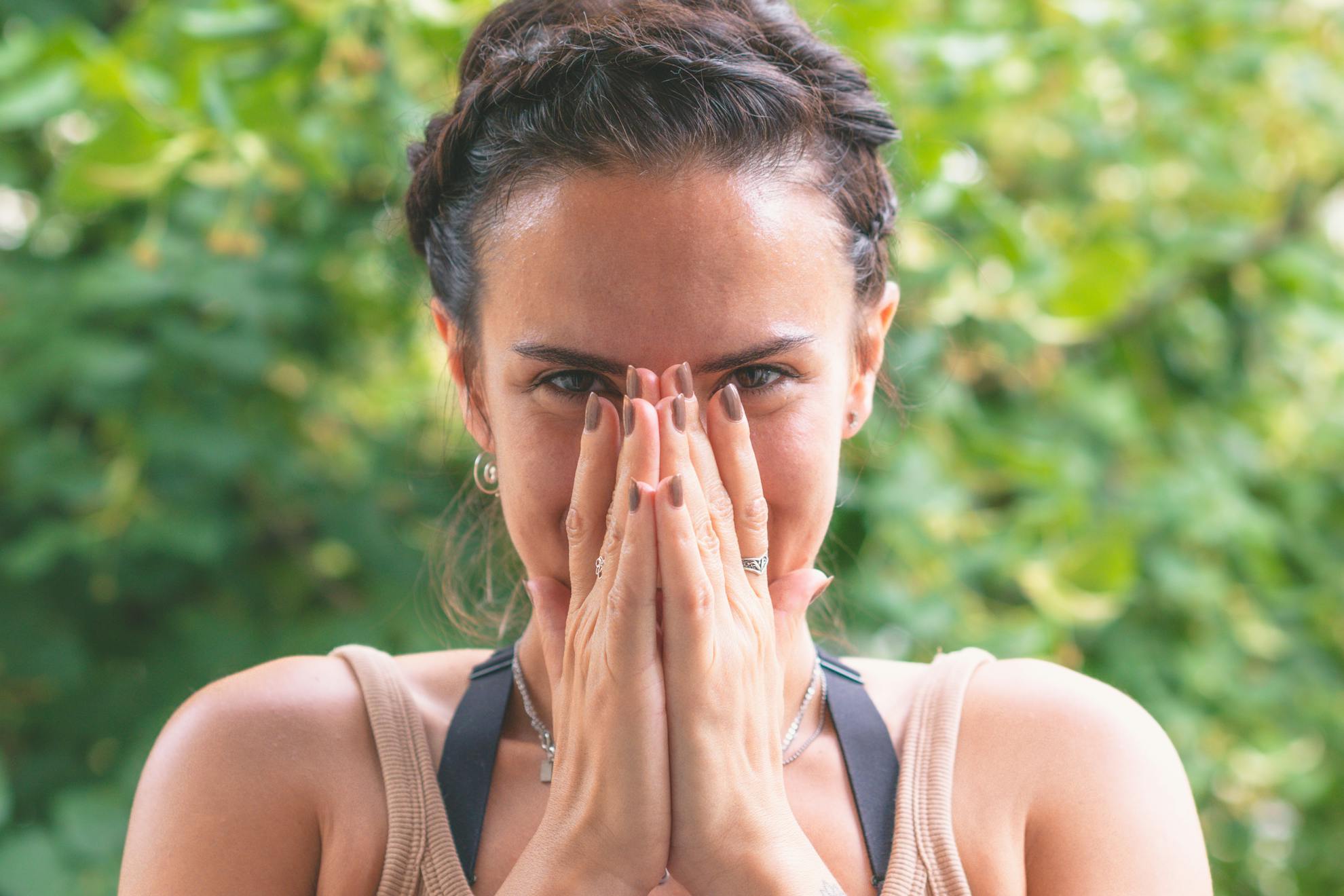
The Body as a Source of Emotional Intelligence
I did not understand, for most of my life, that my body was a source of information. I understood it as a vehicle, something that transported my mind from one place to another. Something to be maintained. Something that felt things, yes, but whose feelings were secondary to what I thought.
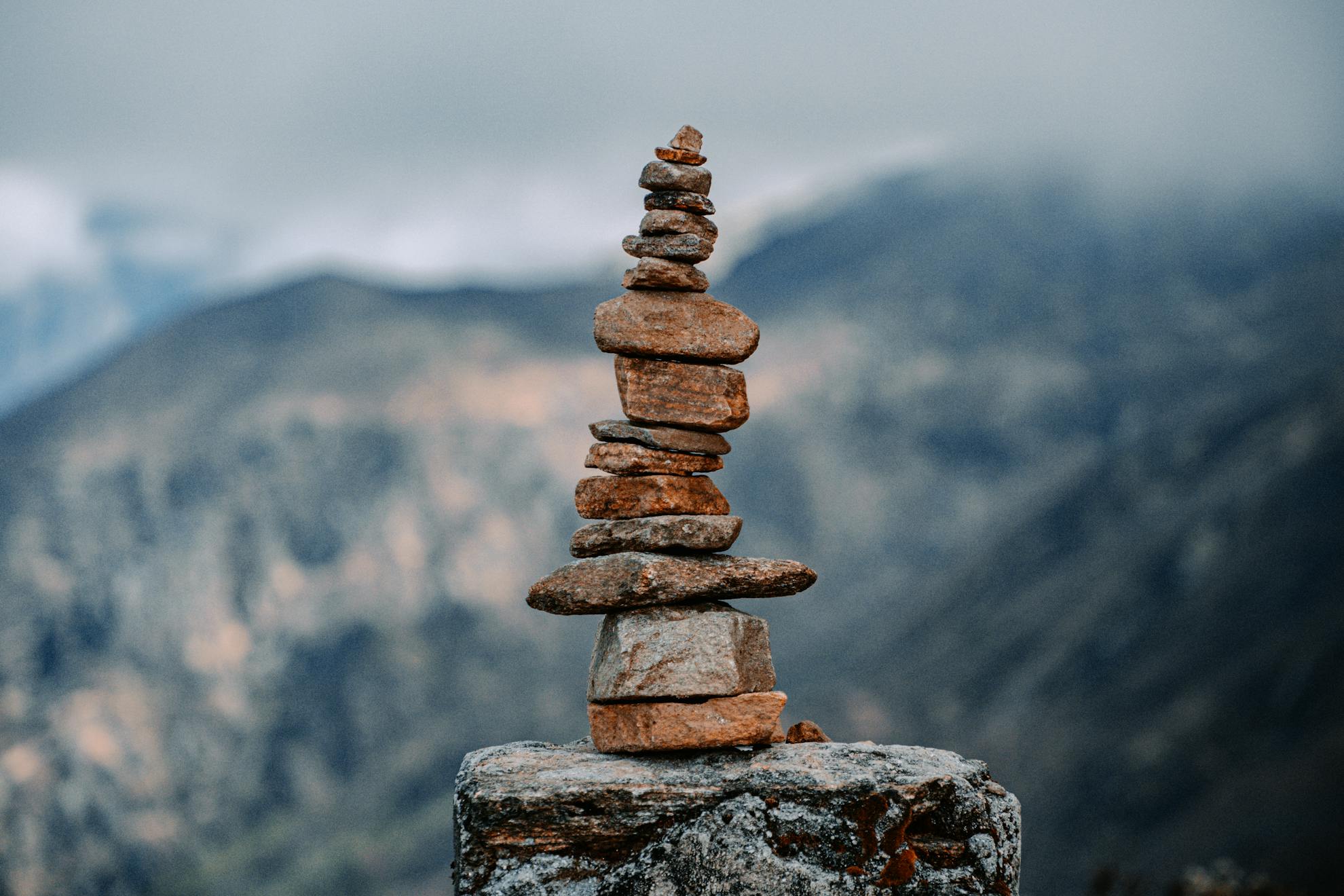
How Your Body's Hidden Wisdom Keeps You Balanced: The Life-Changing Science of Homeostasis
There is something happening in your body right now that you are not consciously directing. Your heart rate is adjusting. Your breathing is shifting. Hormones are being released and reabsorbed. Temperature is being regulated. Blood is being routed. All of it, simultaneously, without a single deliberate thought from you.
The Five Nervous System States, Which One Are You In Right Now?
Before I understood the nervous system, I understood my moods as a kind of weather. Unpredictable. Arriving without explanation. Something to manage or wait out. What I did not understand was that my moods had a physiology. That there was a biological logic to why I sometimes felt wired and reactive, why I sometimes felt numb and distant, why some days I could meet everything with relative steadiness and other days the smallest thing felt unbearable.

How I Finally Got My Dream Body (And Why It Had Nothing to Do With a Diet)
A Warning and an Invitation: if you are here for a quick fix, read on no more. I mean that kindly. There are plenty of places on the internet that will sell you one. This is not that place. But if you are exhausted by quick fixes. If you have tried them, lost count of how many, and arrived here with a particular kind of tired that goes deeper than fatigue, the tired that comes from fighting something for decades and not winning, then you are exactly where you need to be.

Meditation Myths Debunked: How to Actually Begin (Or Begin Again)
I have lost count of how many people have told me they can't meditate. Sometimes they say it with a kind of proud resignation, I've tried, I'm just not that kind of person. Sometimes, with a frustration that suggests they genuinely wanted it to work. Sometimes with a faint embarrassment, as though they've failed at something that seems to come easily to everyone else.
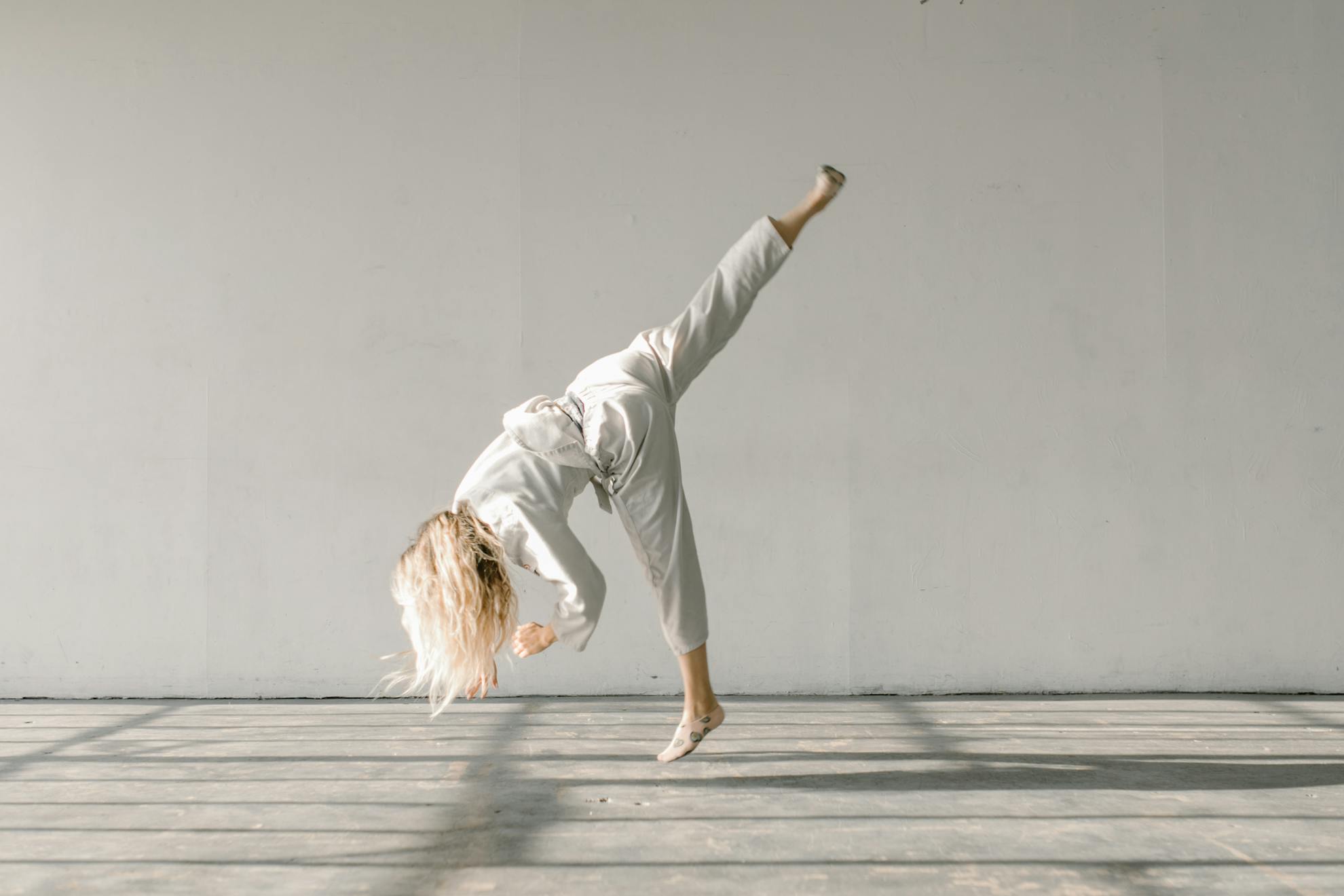
The Architecture of Awareness: Using Yoga as a Framework for Self-Study
Self-awareness is rarely accidental. It is built: slowly, deliberately and through practice. What drew me to yoga was movement. What kept me there was something far less visible: the framework it offered for understanding myself.
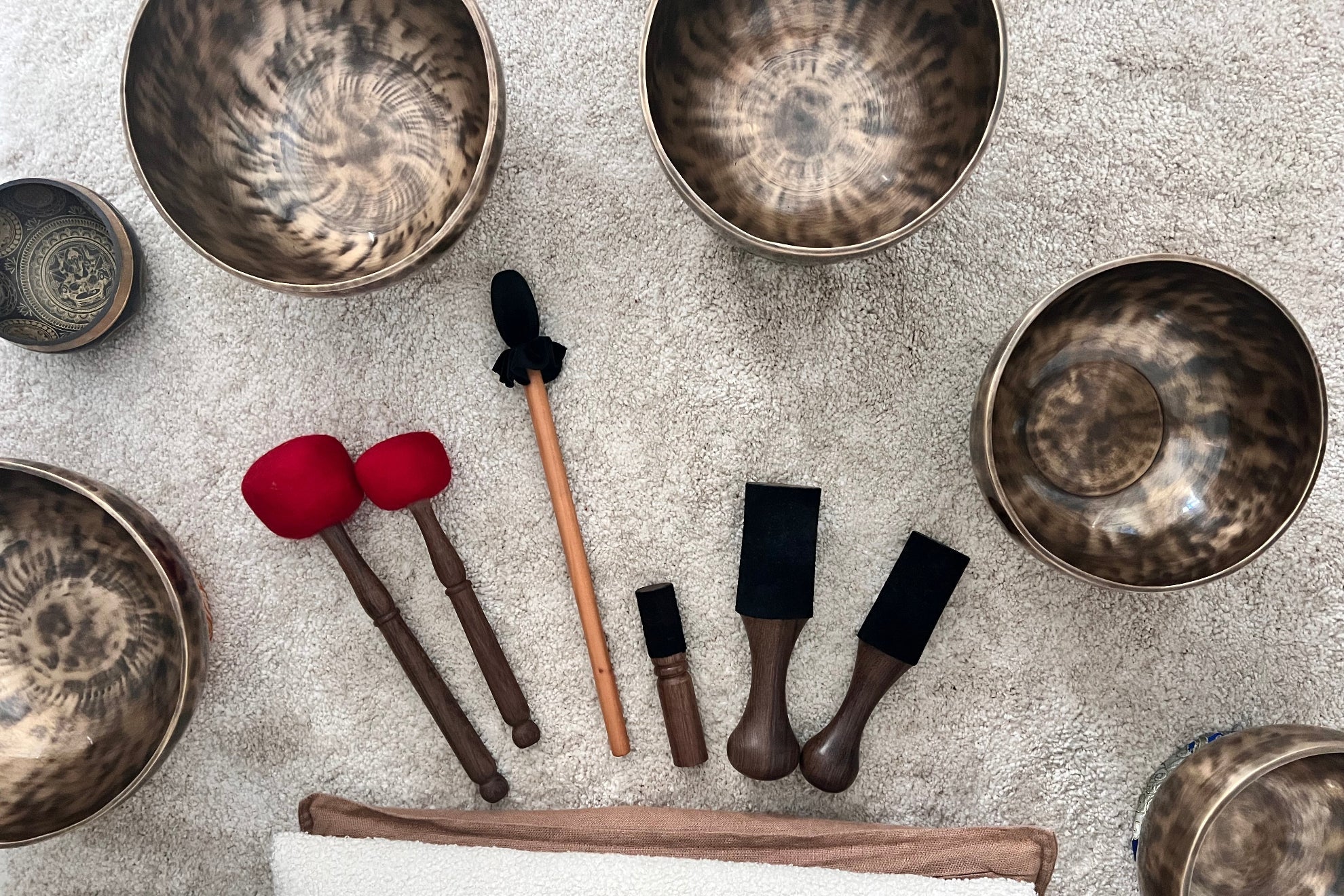
Sound Healing in Yoga: Why Learning to Receive the Tones Changes Everything
The first time I experienced a sound bath, I didn't quite know what to do with myself. I lay there, watching the ceiling, waiting for something to happen and then frustrated with myself for waiting, because weren't I supposed to just... let go?
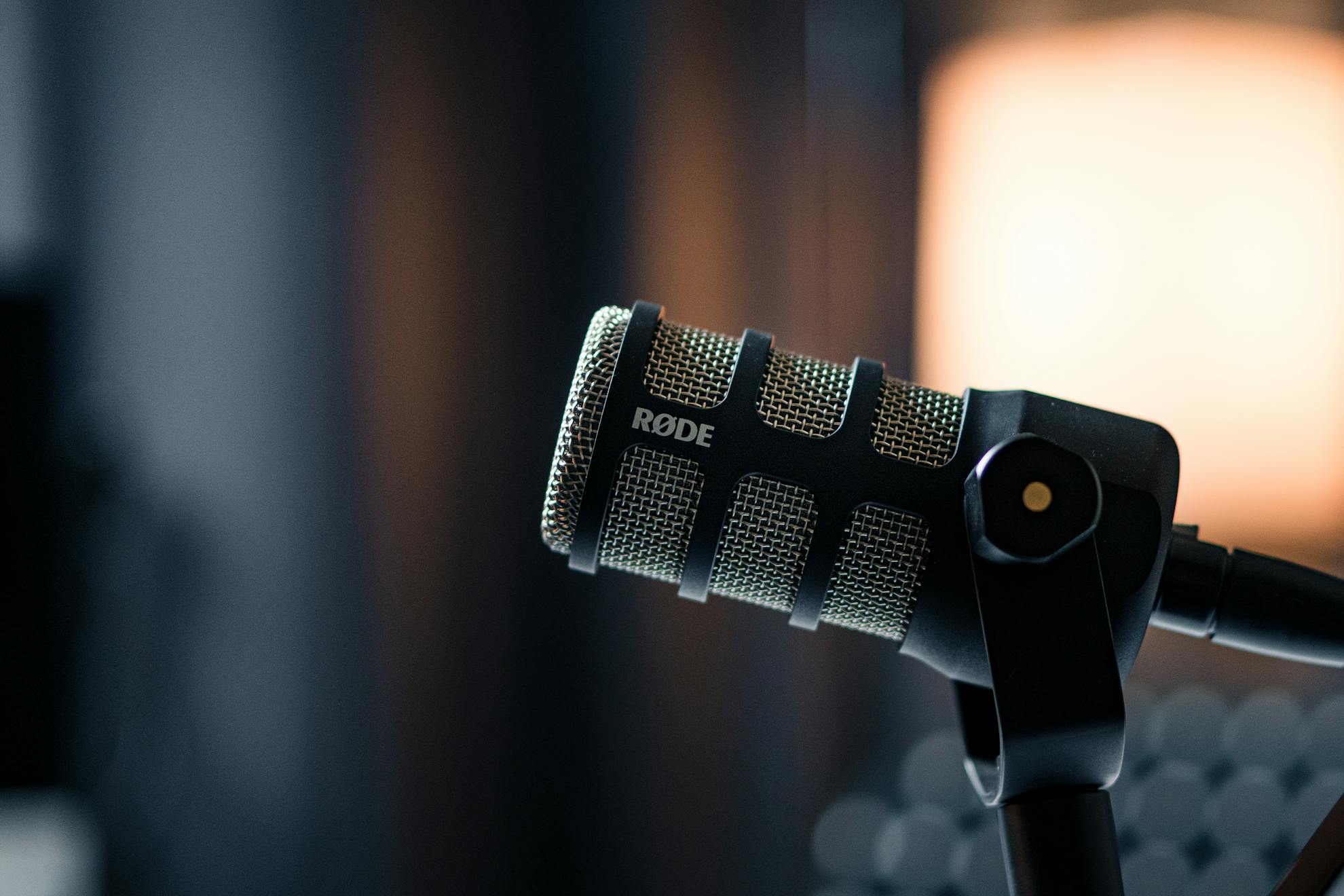
A Softer Way to Begin: Introducing the Words & Contemplations Podcast
Words & Contemplations starts her podcast journey, bringing you blogs in audio format as well as meditations, gentle practices and talks. Come along for the journey; we'd love to have you tune in.
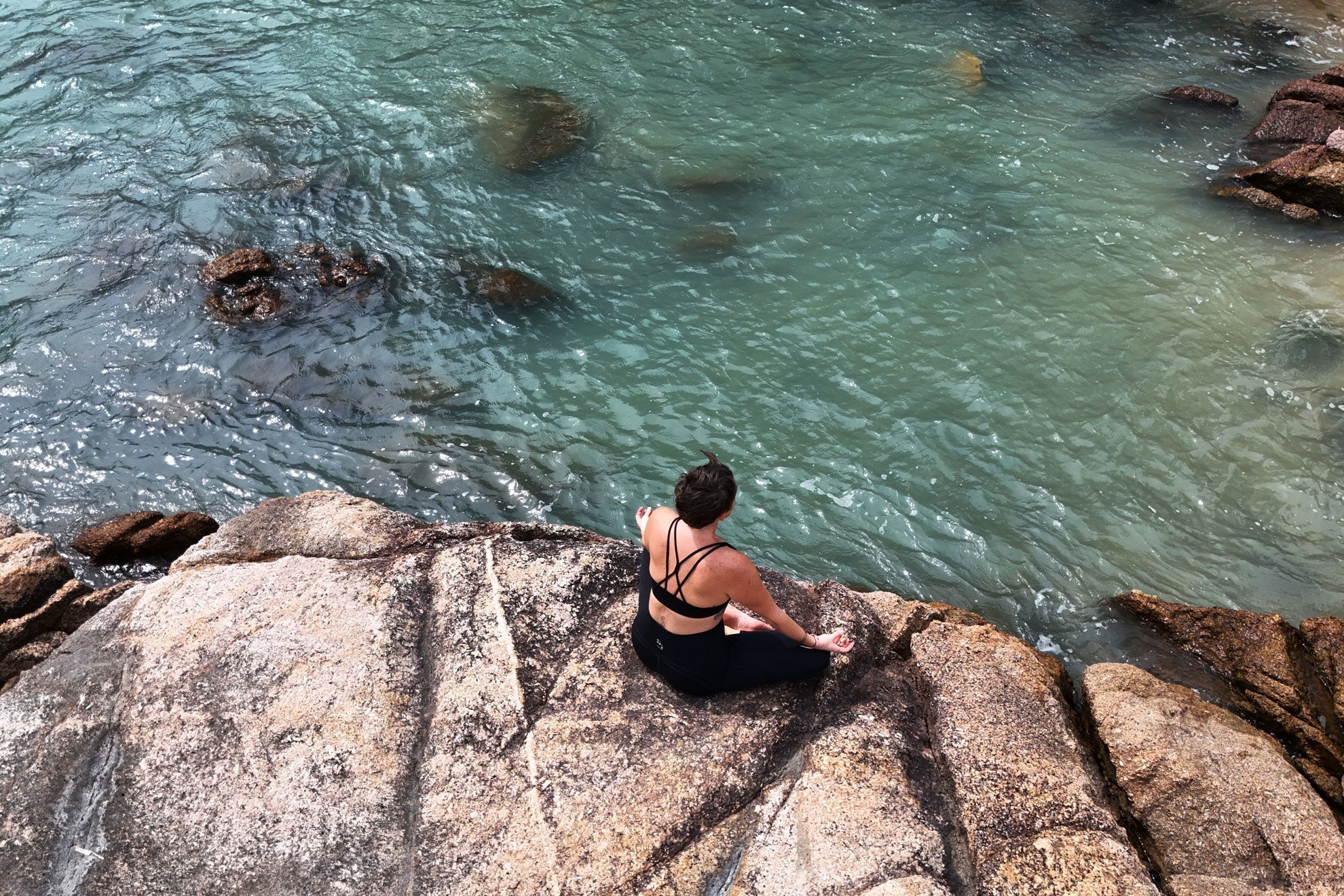
10 Mindful Practices for the Unravelling Soul (On the Go)
When we left our work/life roles, I thought the hardest part would be the logistics. I quickly learned that the true challenge is the unravelling of the "doing" mind. Here are ten practices I’ve gathered from the road that you can do anywhere.

Sanctuaries of the Self: Finding Rhythm and Ritual on the Road
Travel has a way of unravelling us. It stretches our boundaries and expands our horizons, but in the movement, we often lose the steady pulse of our daily rituals. After eight months on the road, I’ve realised that protecting your practice isn’t about rigid adherence to a schedule; it’s about finding the spaces that help you return to yourself—the ones that feel less like a workout and more like medicine.
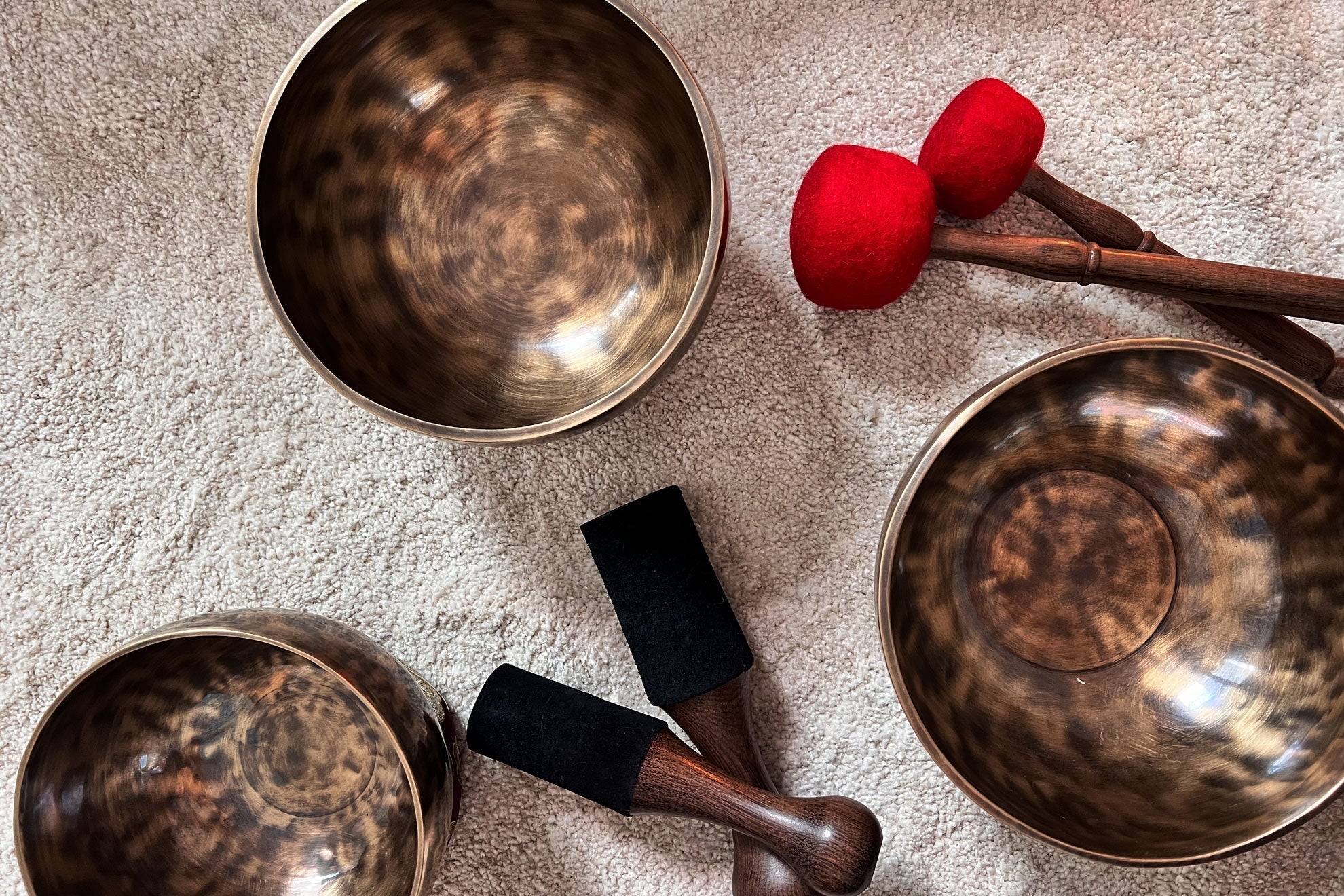
A Symphony of the Self: The Science and Soul of Sound Medicine
“Every illness is a musical problem—the healing, a musical solution.” In our modern world, we often perceive our bodies as solid, static structures. Yet, if we look closer—through the lens of both ancient wisdom and modern physics—we find that we are actually a symphony of oscillatory patterns. From the rhythmic beat of our hearts to the subtle hum of our cellular membranes, every cell, tissue, and organ in the human body possesses its own unique resonant frequency.
Listening Beneath the Mind: Yogic Practices to Heal the Samskāras That Shape Our Lives
We all carry stories that feel so familiar they might as well be our own voice — the subtle doubts, the quiet assumptions, the emotional reactions that rise before we even have a chance to choose differently. In the yogic tradition, these inherited imprints are known as samskāras: subliminal impressions carved into us through repetition, experience and unexamined memory.

The Yogic Path of Remembering: Seeing Beyond Samskaras and Old Narratives
There are moments in life when you realise that what you are reacting to is not the situation in front of you, but the echo of something much older.A familiar sting.A tightening in the chest.A story your body remembers even if your mind has forgotten its origin.
10 Daily Habits To Bring You Back Into Your Body
Every day, the world pulls us outward — notifications, demands, plans, deadlines.What if instead you pulled yourself inward, back into your body, your breath, your being? Here are ten simple, accessible habits that can help reconnect you with yourself, activate your nervous system’s rest-and-digest mode, and bring calm into your day.

Lived Wellness, Beyond the Thinking Mind
Food, thoughts, emotions: these are all attachments we can become addicted to, especially the ones that reinforce our worldview. We crave confirmation, whether through accolades, achievements, or approval for our choices. But that’s all they are, choices.
Yoga: Unlocking the Inner Technology of Consciousness
We often think of technology as something external — built, coded, controlled. Yet long before the hum of machines and the glow of screens, there existed another kind of technology: one that required no devices, only awareness. Ancient yogis discovered that within each of us lies an intricate network, a system of energy, emotion, and intelligence — capable of profound transformation when we learn how to access it.
Meditations as Portals: Shifting the Mind, Soothing the Body
We spend much of our lives replaying the past, thoughts become familiar, feelings become habitual, and the body begins to live in cycles of memory. What feels like “just the way things are” is often simply a loop of remembered emotions.

Harness Your Energy with Yoga: Devotion, Breath, and Mindful Practice
Energy moves where attention flows. Both ancient yoga and modern science tell us this truth in different languages, yet the essence remains the same: what you focus on expands.
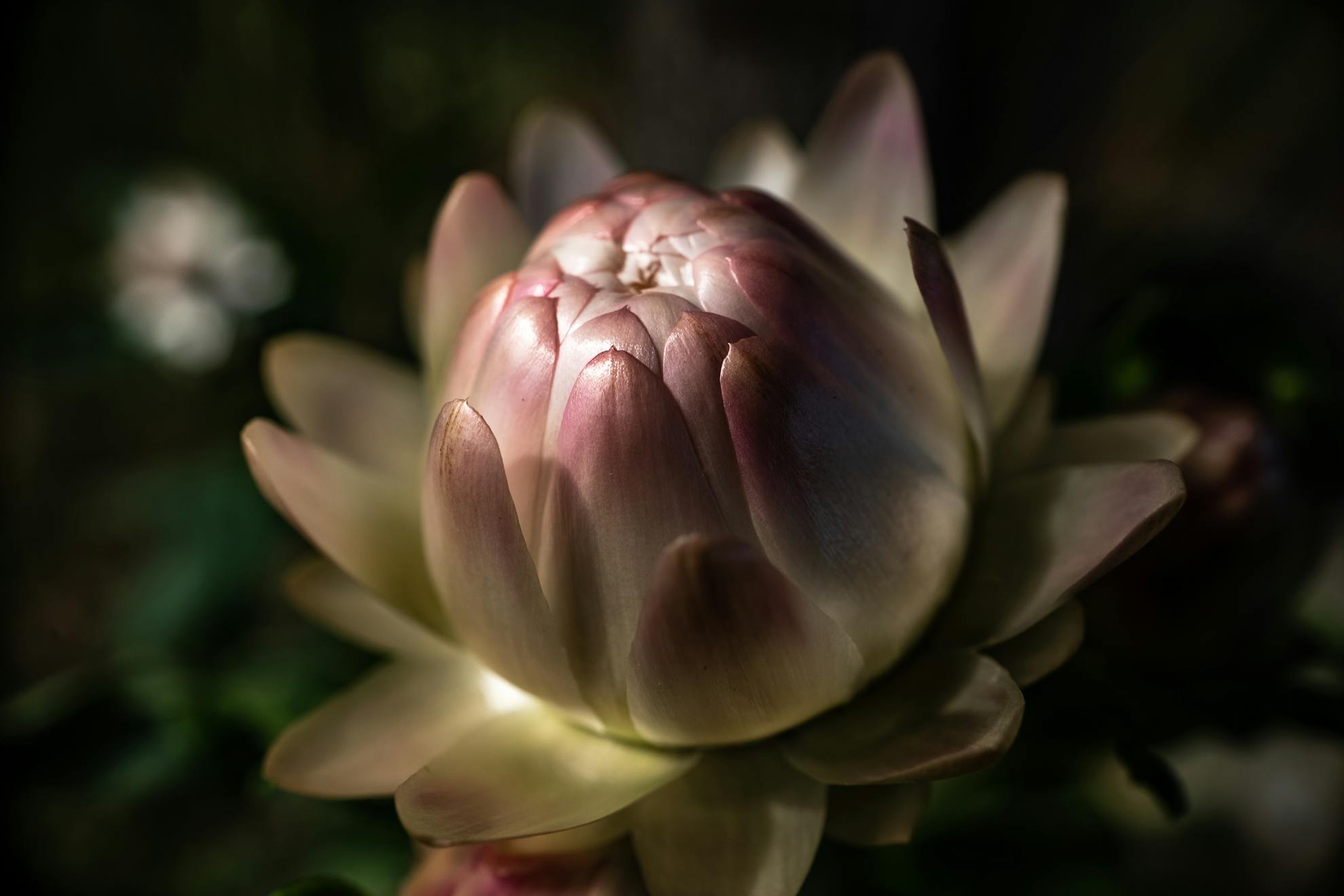
When People Show Up: Embracing Divine Timing and Connection
In the tapestry of our lives, certain individuals appear at pivotal moments, their presence seemingly orchestrated by forces beyond our comprehension. These encounters often feel serendipitous, yet within the framework of yogic philosophy, they are seen as manifestations of divine timing, guiding us toward growth and self-realisation.

The Light We See in Others: A Story of Gratitude and Human Connection
There are moments in life when we meet people who feel like mirrors. All the qualities we long to recognise in ourselves appear so effortlessly in them. And then, as you spend time together, you realise something extraordinary: what you see in them is what they see in you. The connection becomes something rare and beautiful — a space where you bring out the best in one another, even though just days before you were strangers.
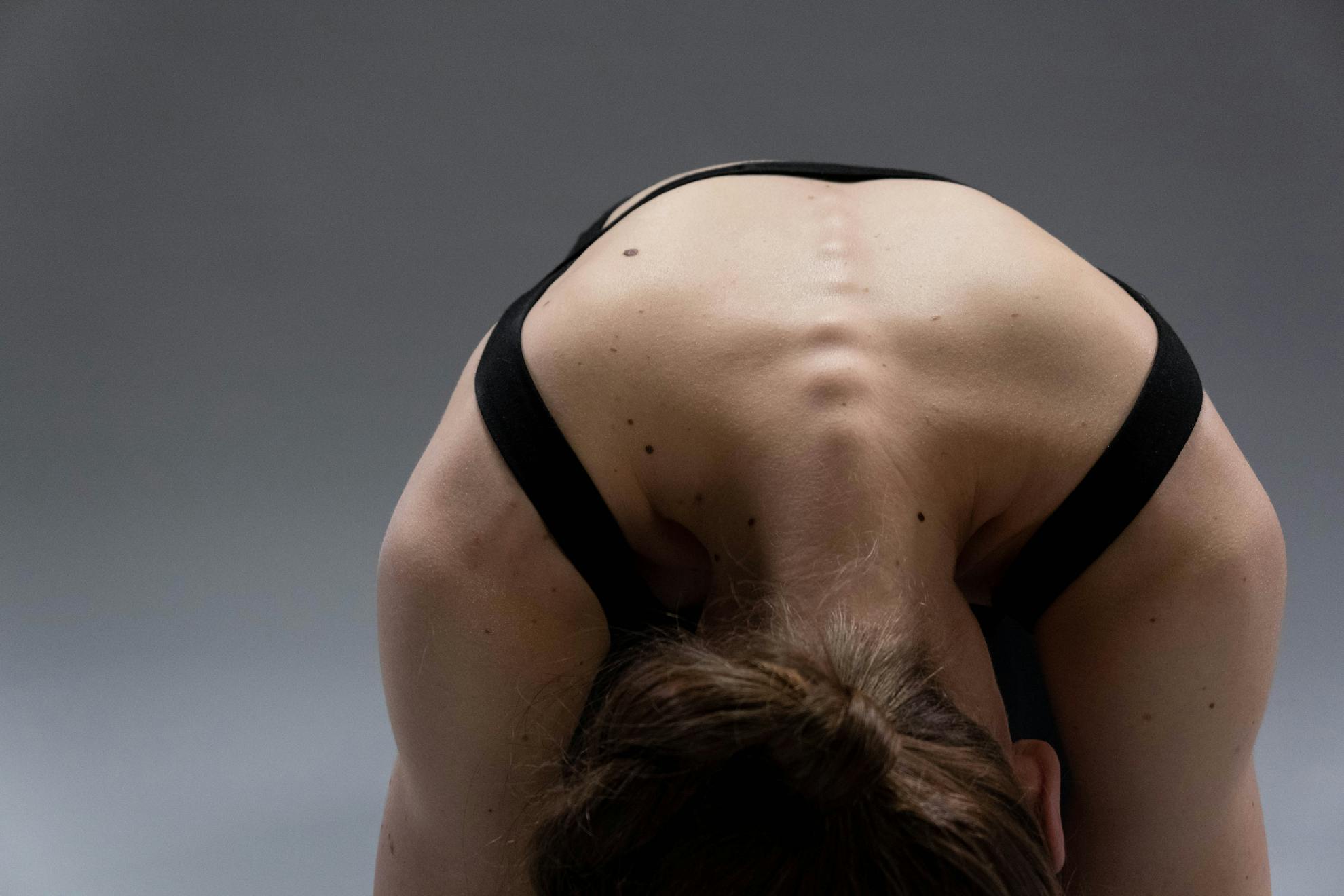
Yoga as a Framework for Wholeness
Yoga has always been more than movement. Long before it became a practice of postures, it was described in the ancient texts as a complete framework for living with steadiness and clarity. The Yoga Sūtras of Patañjali remind us: “Yoga is the stilling of the fluctuations of the mind.” (Yoga Sūtras I.2)
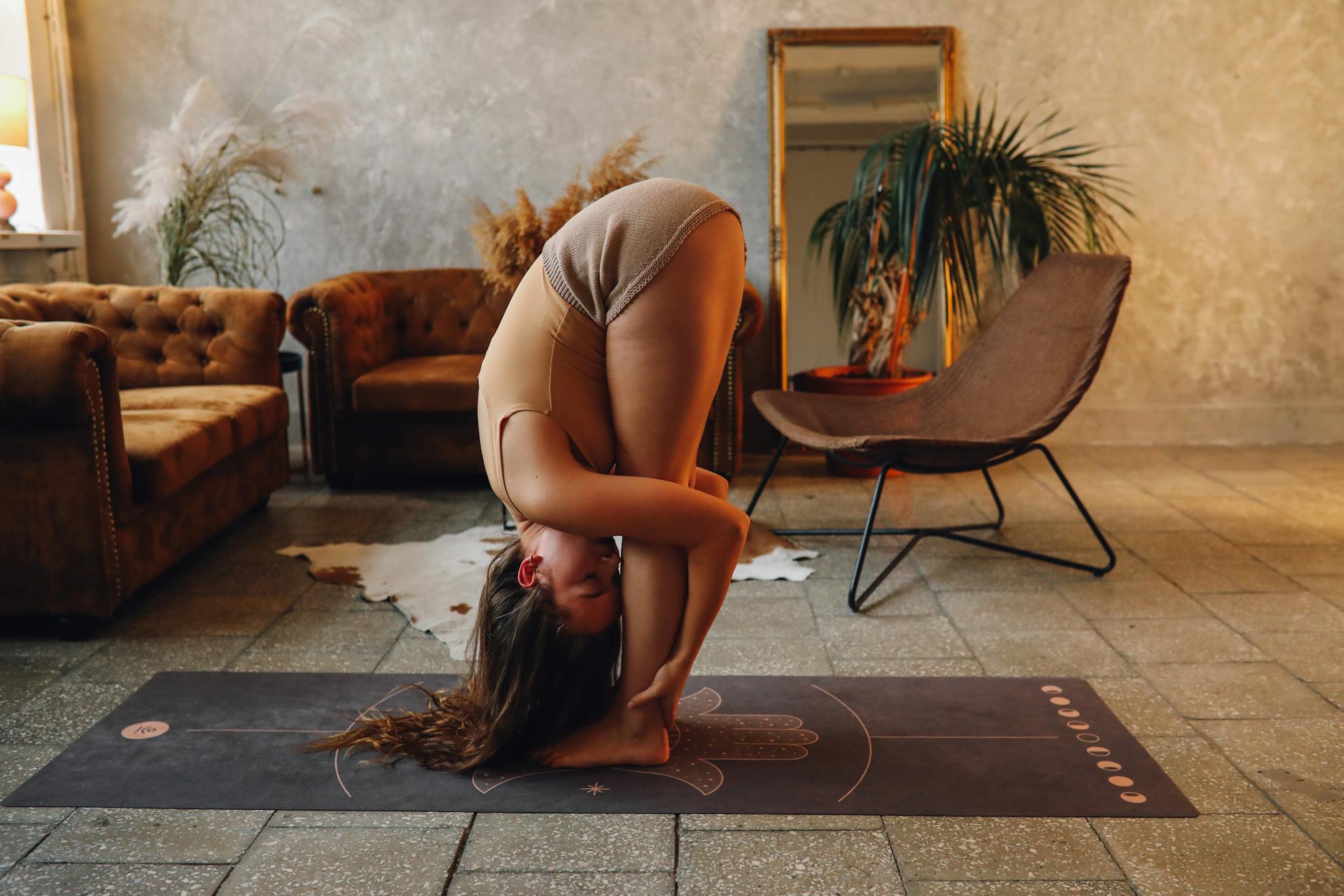
Everyday Moments That Are Yoga (Without You Realising)
Yoga is often thought of as postures on a mat or quiet studio time. Yet the ancient texts describe it far more broadly, as a framework for cultivating steadiness, awareness, and presence in every aspect of life. The Yoga Sūtras tell us:
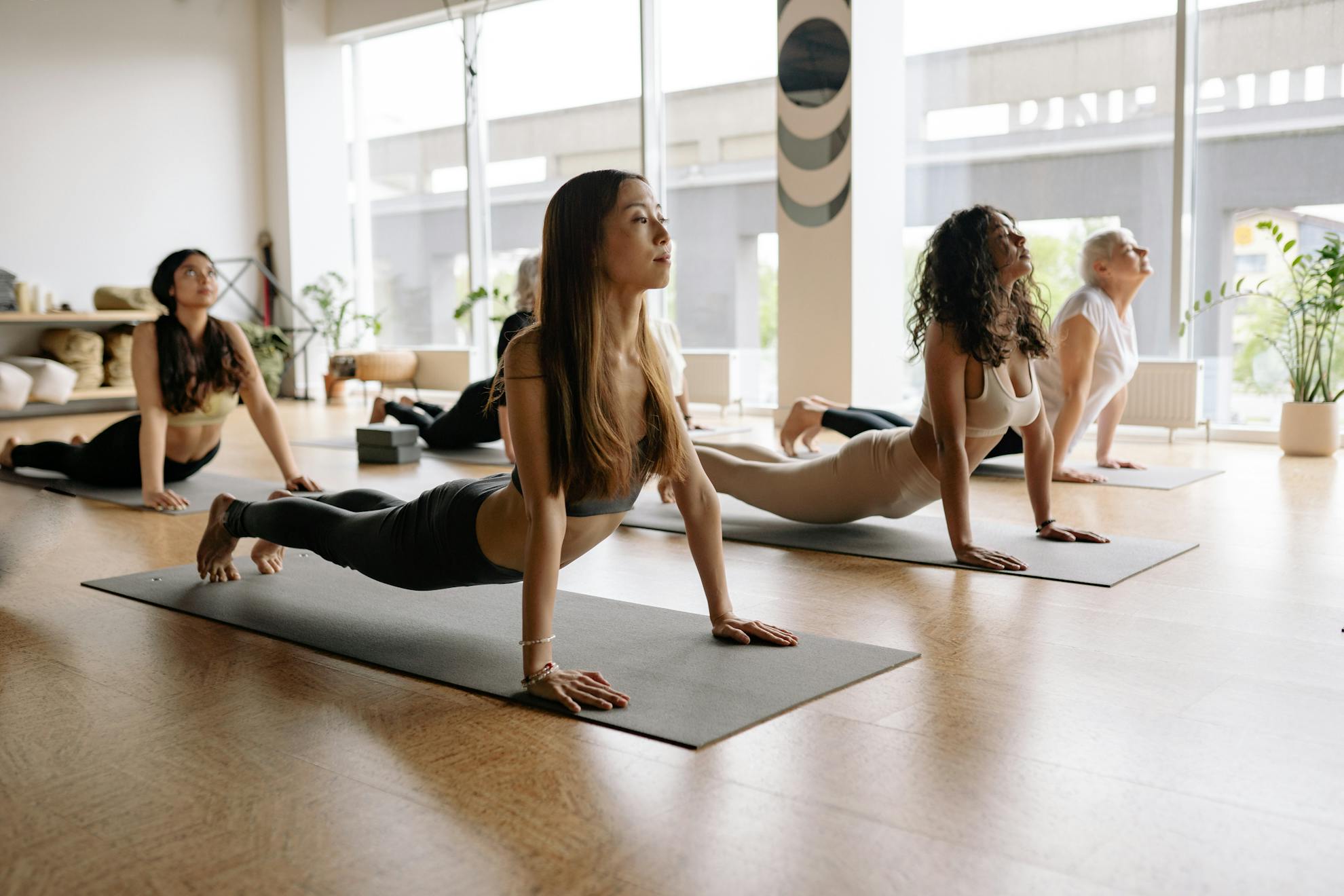
Transformation: What It Is and Why Yoga Retreats Promise It
Transformation is a word we see everywhere these days, especially on retreats. But what does it really mean? And why are so many retreats offering it as part of their experience?

On Retreat with Your Yoga Teacher: A Journey Back to Yourself
I have been practising yoga for about eight years and teaching for the past eighteen months. When I finally felt it was my time to guide others along the yogic journey, I also knew that my own practice was far from finished. My curiosity and hunger for growth led me to immerse myself in three Moksha Yoga Teacher Trainings. After completing my 200-hour training in Bali in January 2024, I continued with a 110-hour Meditation Teacher training, and then dove into Yin and Sound Medicine simultaneously.
Yoga as Life’s Lens: Reflections on Autobiography of a Yogi
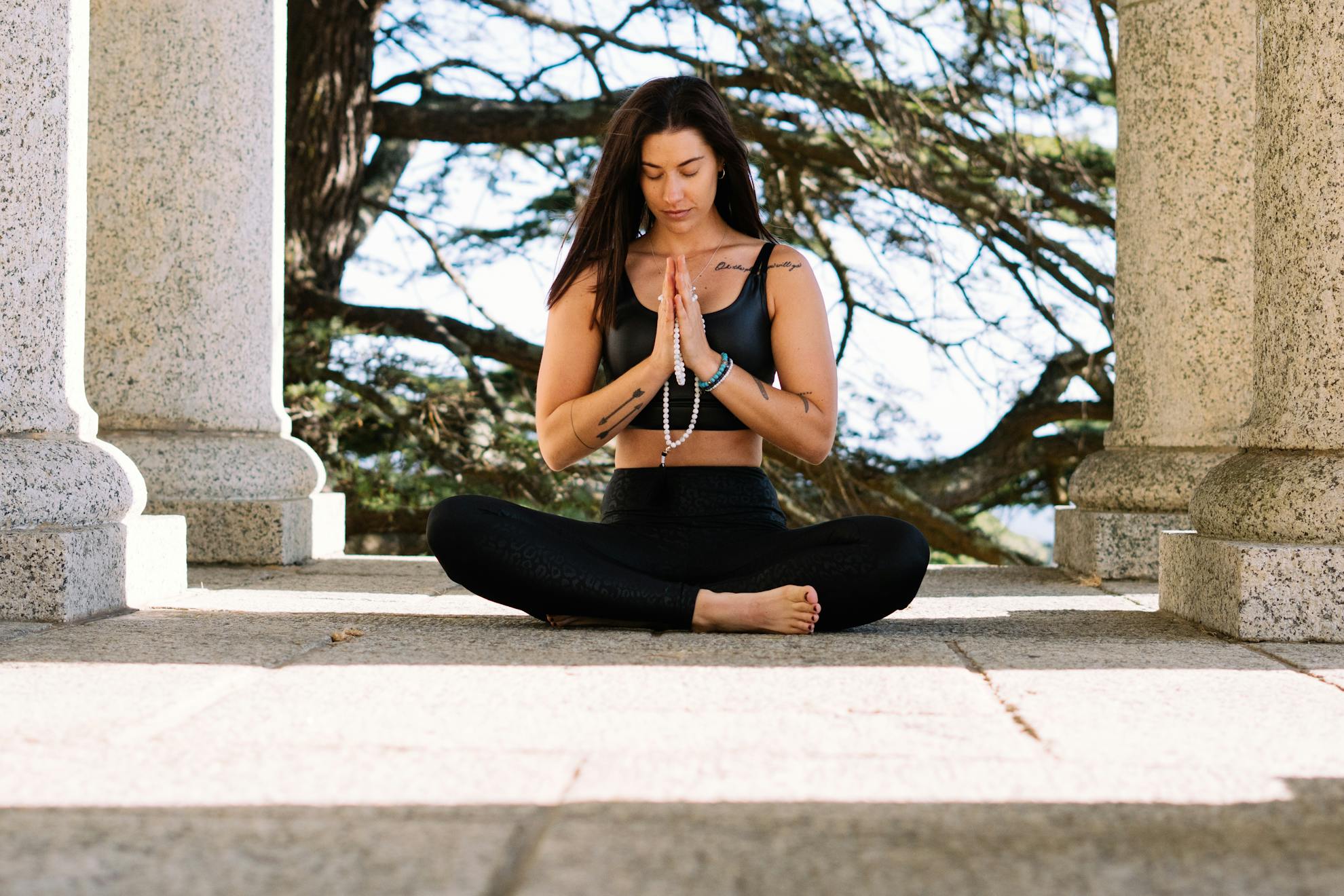
Paramahansa Yogananda’s Autobiography of a Yogi is more than a spiritual memoir; it’s an invitation to see life through the lens of the soul. In his telling, the extraordinary becomes accessible, not as far-off miracles but as a way of living rooted in self-awareness, discipline, and love.

20 Reflections from The Surrender Experiment by Michael A. Singer
I read The Surrender Experiment just days after walking away from my corporate job, twelve months into the unknown. No guarantees, no structured plan. Just a quiet knowing that something had shifted.

20 Moments from The Untethered Soul by Michael A. Singer
A journey inward to awareness, stillness and freedom. Some books arrive like whispers. Others arrive as gifts. For me, The Untethered Soul was both.
Wellness Beyond the Surface: Living the 8 Limbs of Yoga in Daily Life
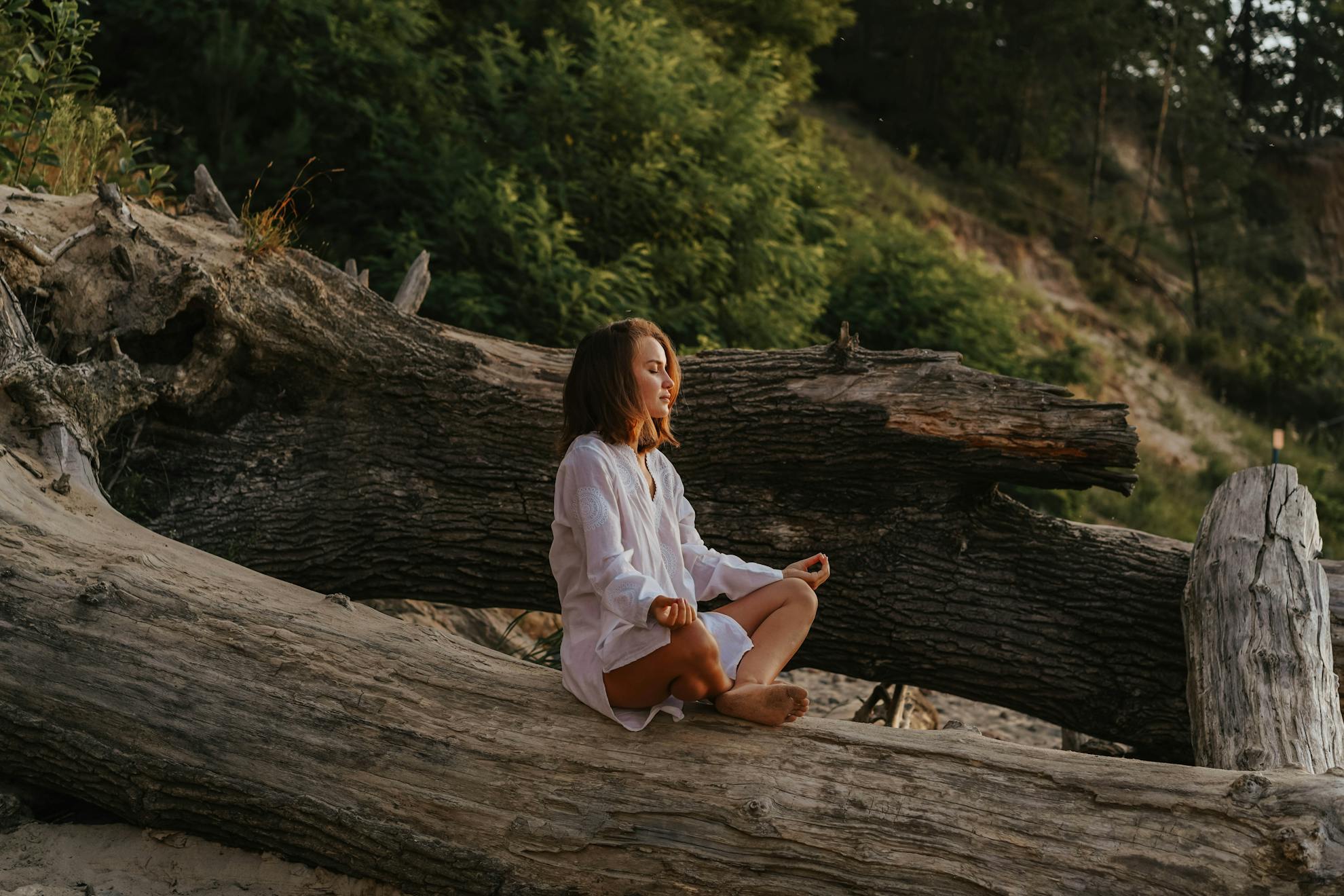
In the modern wellness world, the surface often appears to be a glow: luminous skin, green smoothies, gym schedules, lymphatic drainage, and cold plunges. And while all of these can support well-being, they don’t touch the deeper layers of what it means to be well.

How You Can Build a Nervous System-Supportive Routine
A personal guide to tuning in, slowing down, and finding your way back to yourself. There’s no one-size-fits-all when it comes to nervous system support.It’s not about following a strict wellness checklist or chasing perfection — it’s about tuning into your own rhythms, your own seasons, and your own signals.
Packing Wellness: A Conscious Approach to the Way We Travel
There’s a certain beauty in packing not just clothes or chargers, but your rituals. A yoga mat, a journal, snacks that feel good, shoes that let you walk for miles — these are tools that shift travel from hectic to healing.
Rituals in Motion: How to Make Wellness a Habit, Anywhere
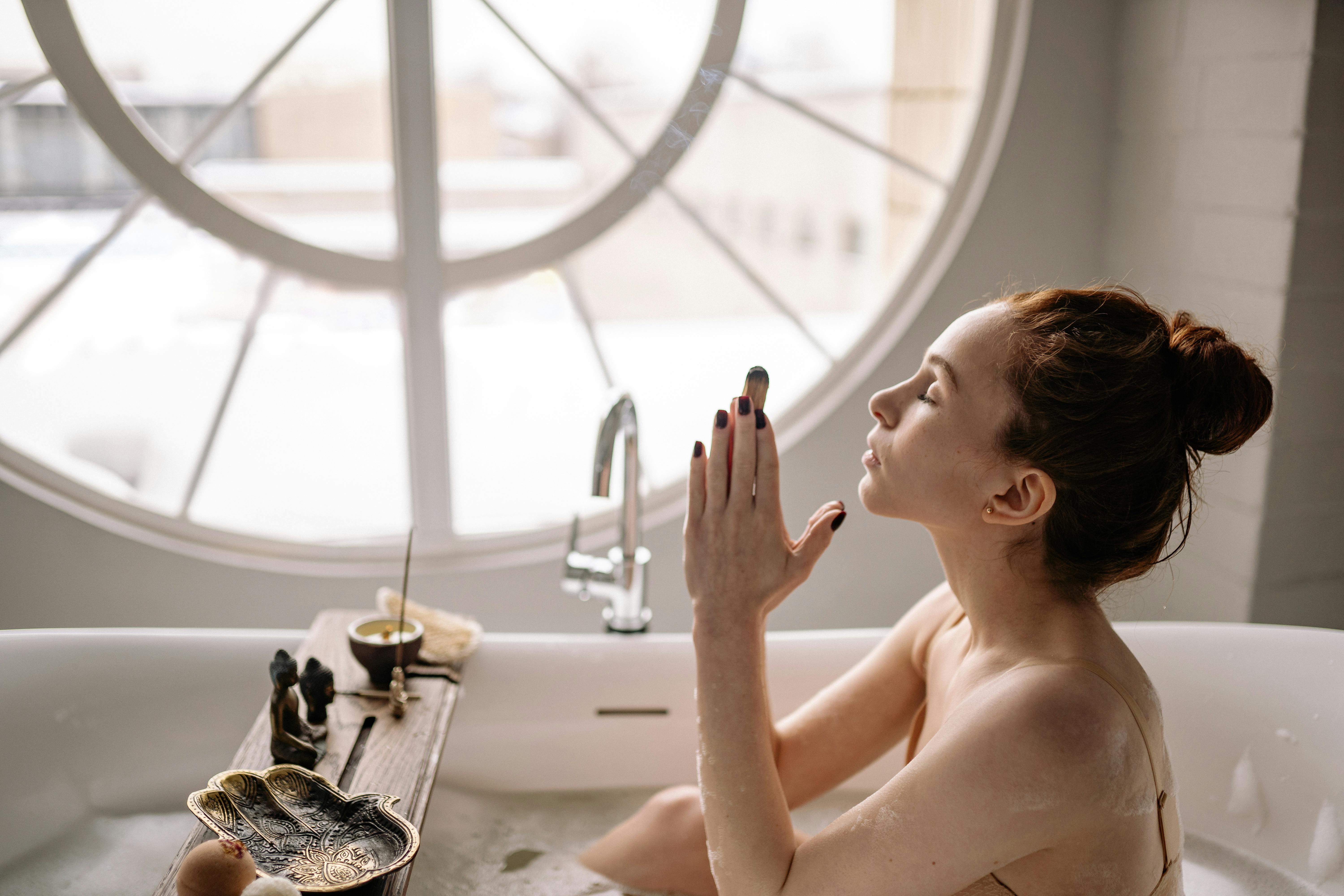
Wellness doesn’t begin and end in your home or at the studio or gym you belong to. It can be a mindset you can carry, a ritual you can roll out wherever you land. From morning breathwork on a balcony to journaling beside a window in a new city, the rituals that sustain you can become part of the way you travel, work, and live.
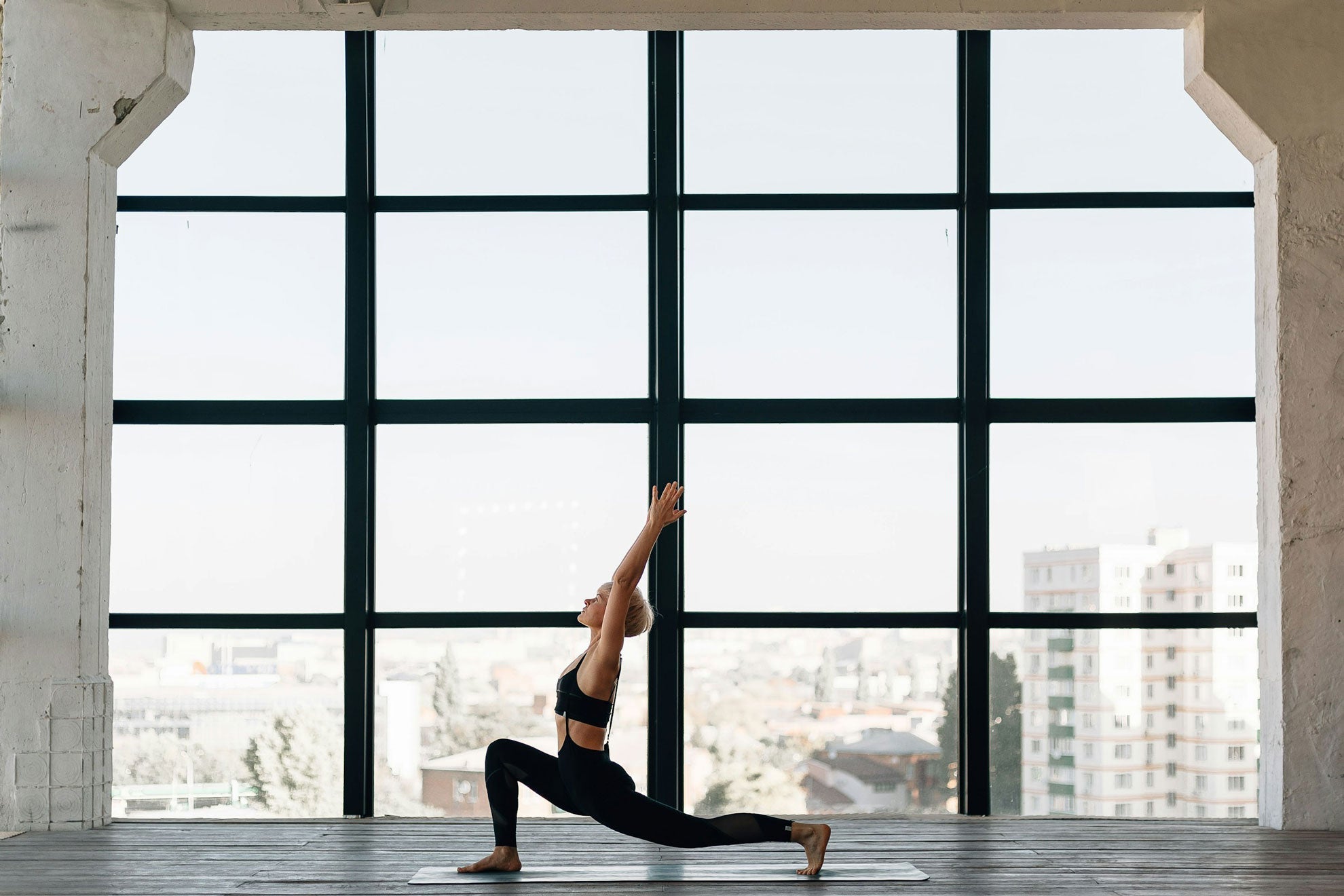
Yoga as Remembering
When I look at the modern world of yoga, I see familiar patterns: the yoga studio, the teacher, the aspirational "yoga body." Much of the messaging circles around self-improvement. But the deeper message, the one that stayed with me through all my trainings, is that yoga isn’t about becoming someone new. It’s about remembering who you've always been.
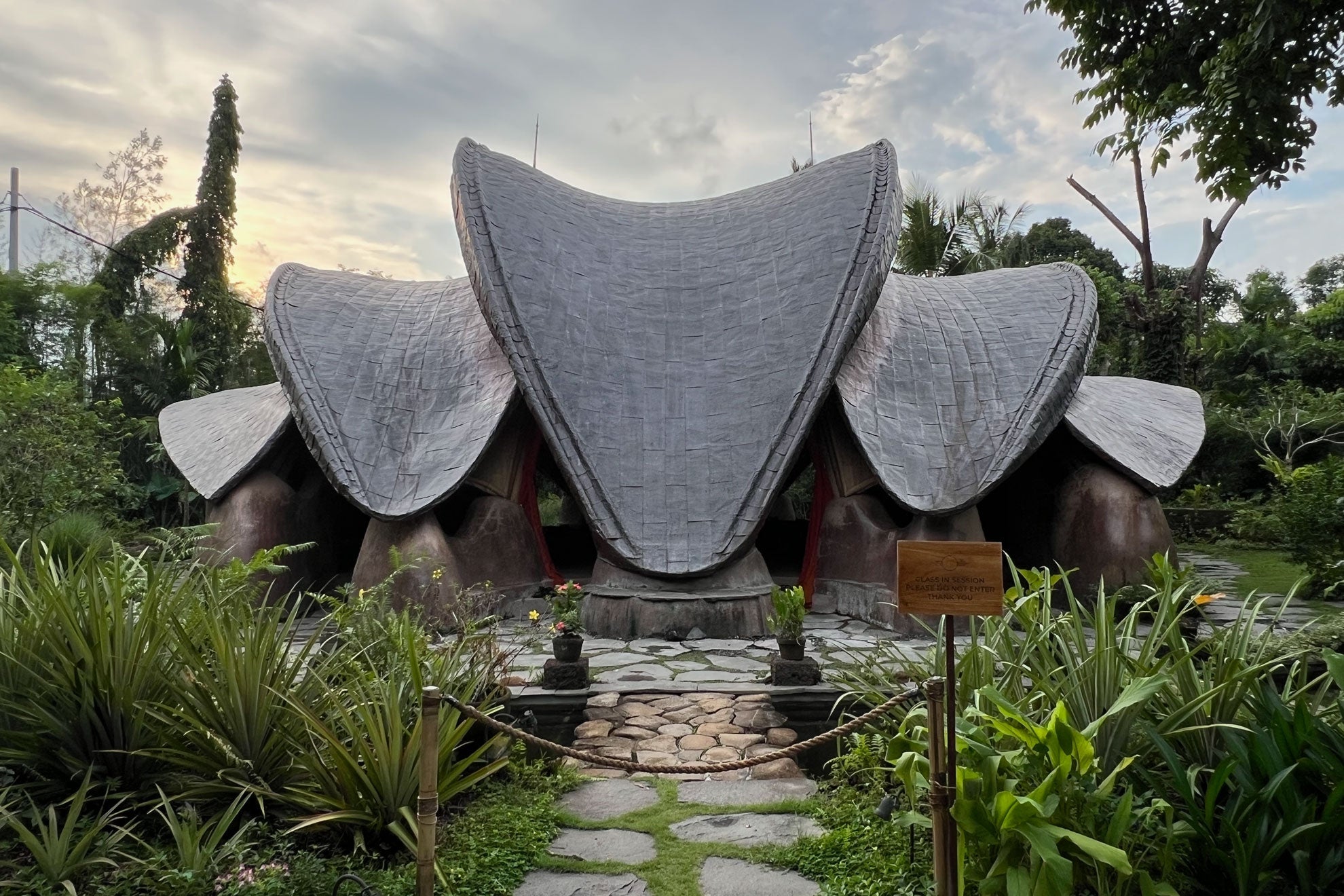
Finding Home on the Mat: My 6 Week Journey at Alchemy Yoga Ubud
A Return to Self, Through Movement and Community. It’s been six wonderful weeks of daily practice at Alchemy Yoga & Meditation Centre in Ubud. Six weeks of breath, sweat, stillness, and subtle transformation. We chose this space instinctively, drawn back by the magic of the Alchemy café, which we first fell in love with eight years ago. The yoga studio felt like a natural extension of that same energy: nourishing, grounded, and open-hearted.
Journaling Prompts: Redefining Value & Worth
Without any expectations, write the answers to these questions. Write freely and as if you are talking to yourself, someone safe and silent. See what comes up with out judgment, but curiosity see where these questions take you.

What Do You Truly Value?
This is a gentle invitation to explore worth beyond work and wealth, going deeper into what it means without the cultural lens that you sit behind, the one determined by your place in the world, physically, metaphorically, familiarity, etc.
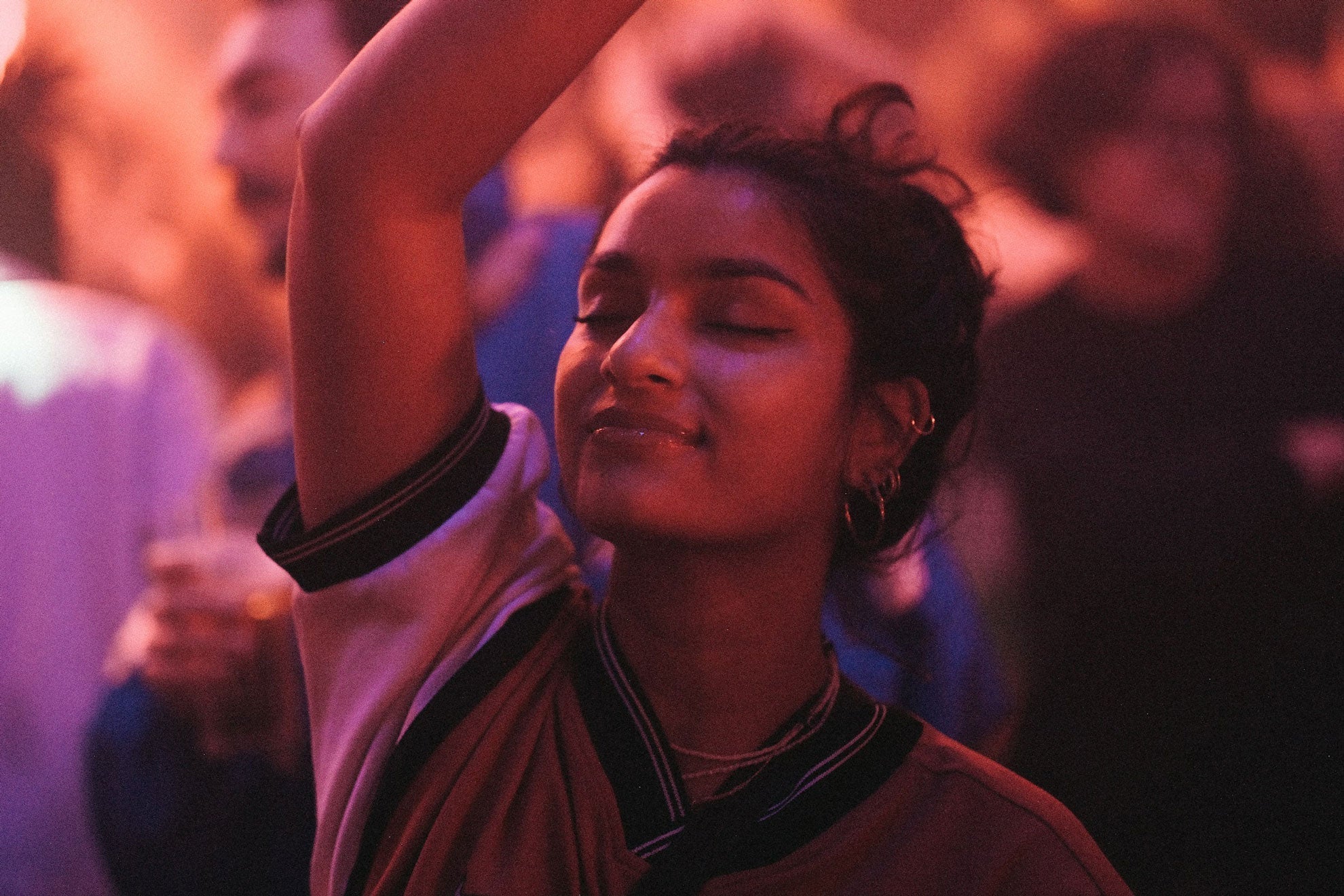
Ecstatic Dance: A Homecoming to the Body
While in Ubud, I’ve been trying to open myself to everything this place offers. There’s a current of possibility here, pulsing quietly beneath the surface. After experiencing the depths of sound healing—something I’ve done before and always found moving—I felt curious to take it one step further.
19 Free Ways to Feel More Connected to Yourself
In a world that constantly demands our attention—from deadlines and devices to the never-ending to-do lists—it’s easy to drift away from ourselves. But coming home to yourself doesn’t require a retreat or a spa day. (Although you should do these things too.) Sometimes, it doesn’t need to cost anything. Sometimes, it’s about the smallest gestures—things we can do right now, wherever we are, to re-centre, ground, and feel more us again.
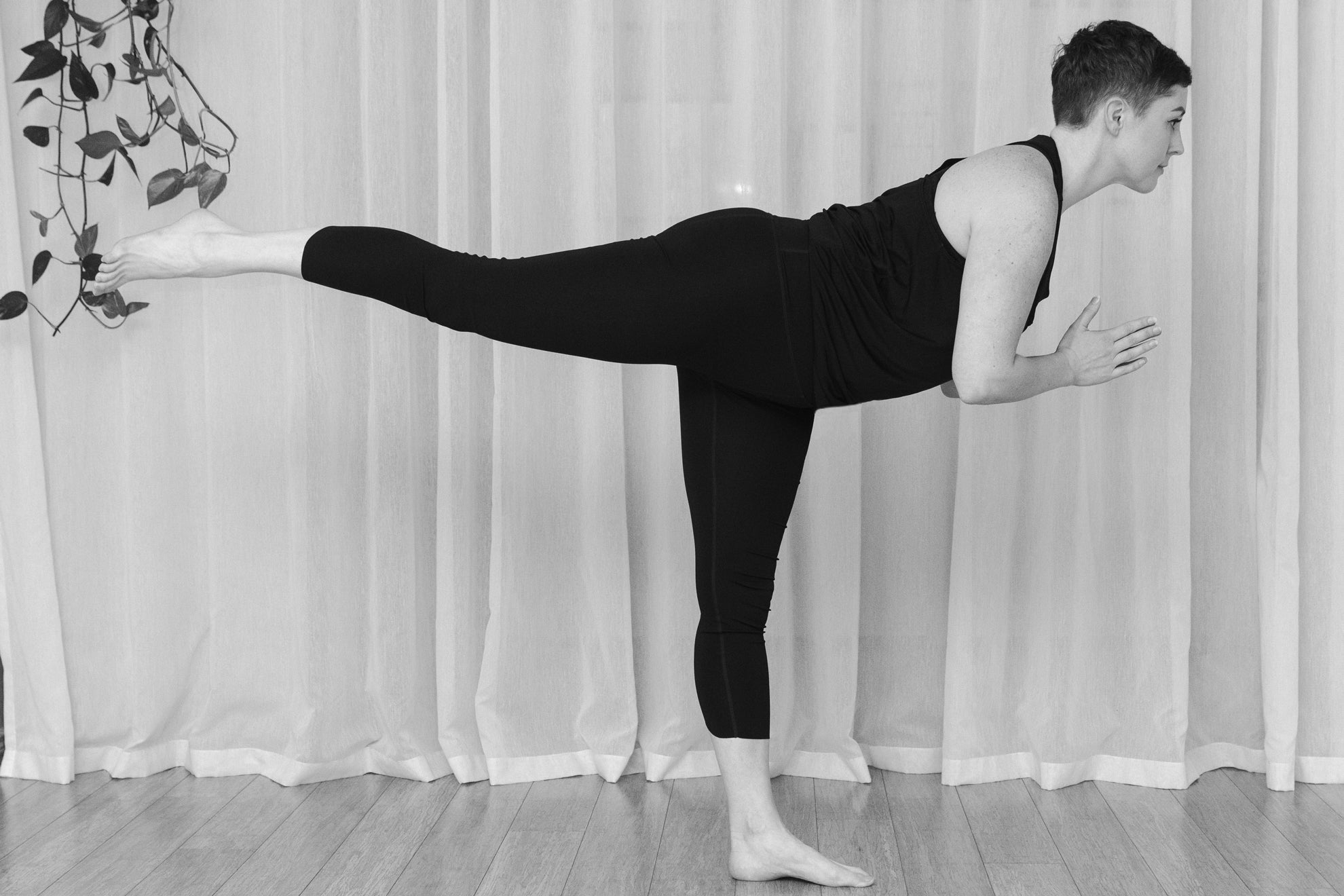
From Burnout to Balance: How Yoga and Meditation Help You Reconnect with Yourself
I’m sitting in a café in Ubud, Bali, thinking about where we’ll go next. But then it hits me—we’re not traveling in the conventional sense. My husband, my partner in adventure, is working much like before, just with a changing backdrop and longer breaks. And me? I’m building something of my own that weaves all my passions: writing, photography, yoga, and meditation.
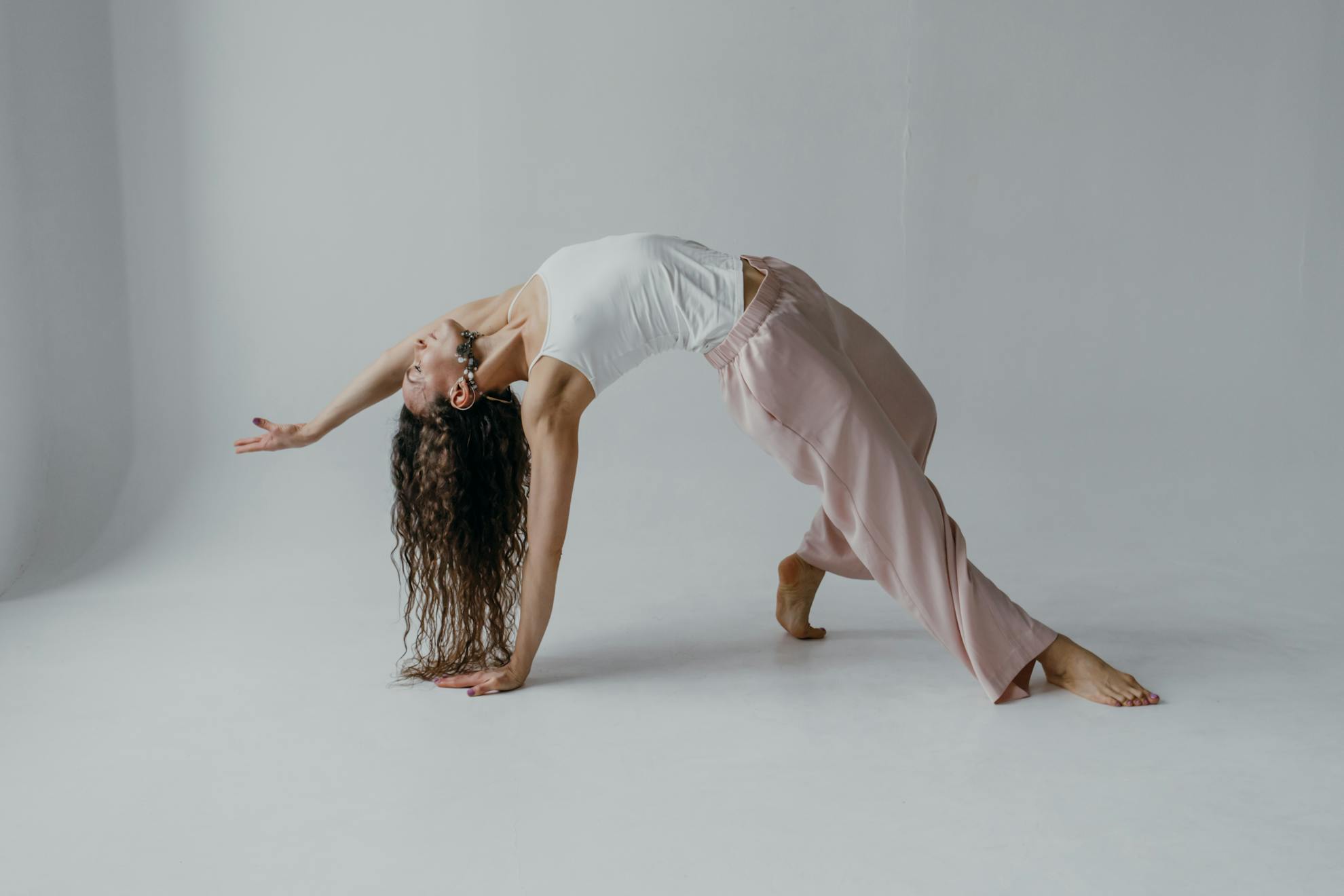
Yoga Transformation: The Student, The Teacher And The Integration Of The Teachings
The road to transformation is rarely linear. It twists and turns, revealing lessons we didn’t anticipate and demanding patience we didn’t know we needed. For those of you who have followed my journey, you know that my world shifted dramatically in 2022. That year cracked me open, forcing me to look at life from a new perspective—one that led me deeper into the practice of yoga.
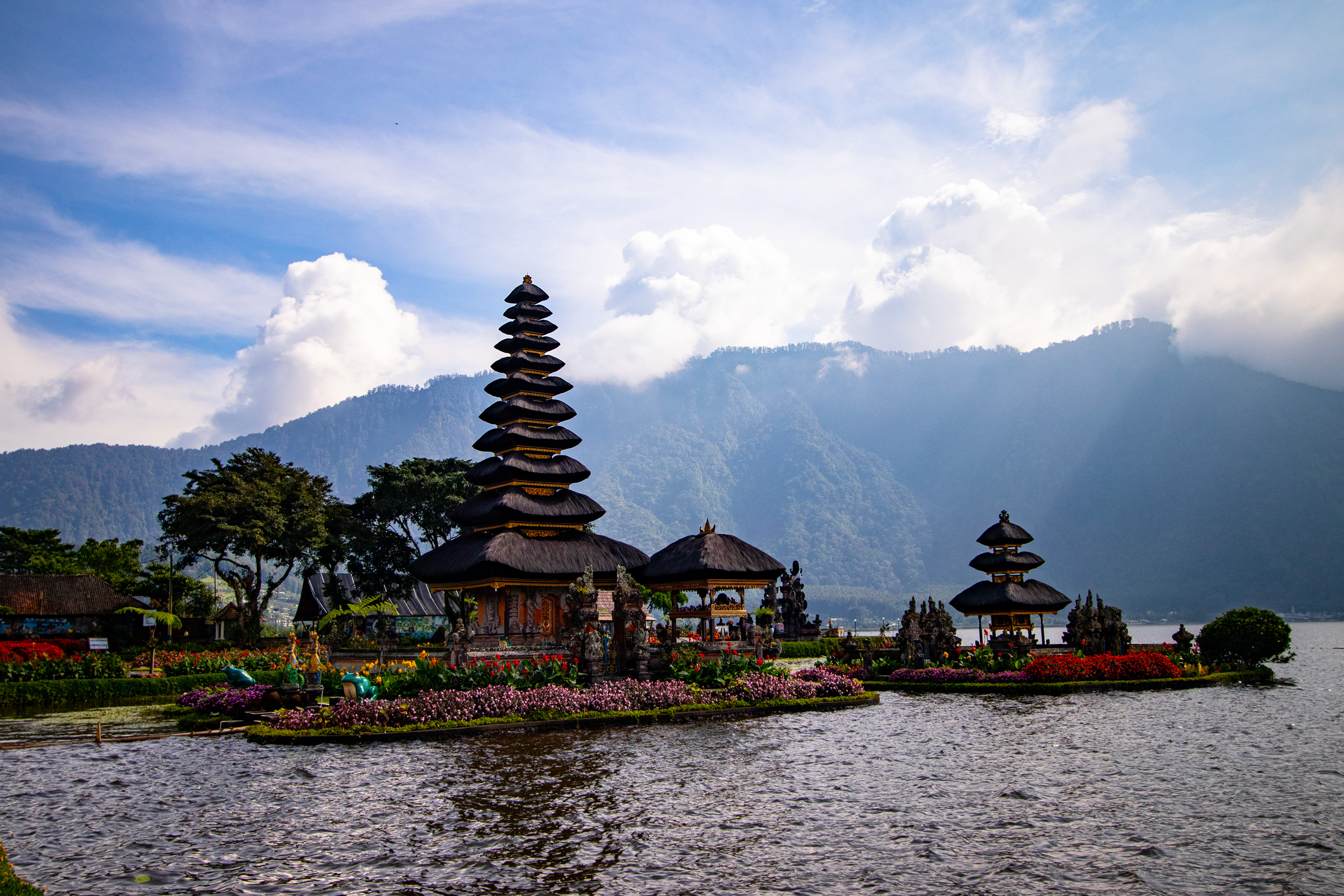
Why is Bali So Synonymous with Yoga?
Bali has a way of calling to the soul, whispering through the rustling palms and the rhythmic crash of waves. It has become one of the most recognised destinations for yoga in the world, drawing seekers from all walks of life to its lush landscapes, sacred temples, and serene retreats. But what is it about this Indonesian island that makes it such a magnet for yogis? The answer lies in a powerful combination of culture, spirituality, and natural beauty.
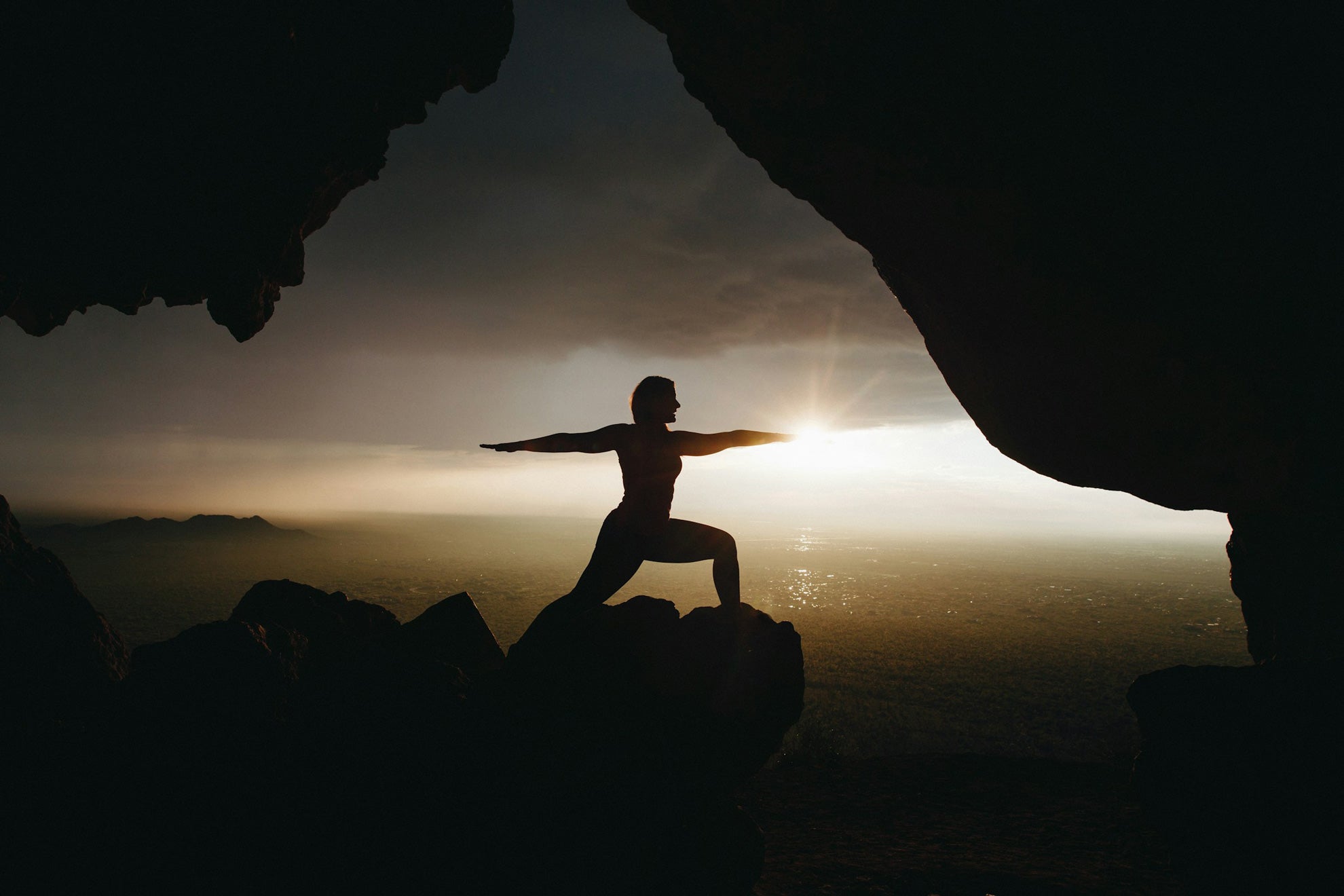
Why Yoga? We asked a Yoga Teacher what makes Yoga so special.
As a regular writer for Words and Contemplations, I decided to share the common questions I have been getting asked as a new Yoga teacher. These questions relate to my Yoga teaching so far. I have been teaching for less than a year, and I am curious about every stage of the journey. Right now, I am finding it profoundly eye-opening and humbling.